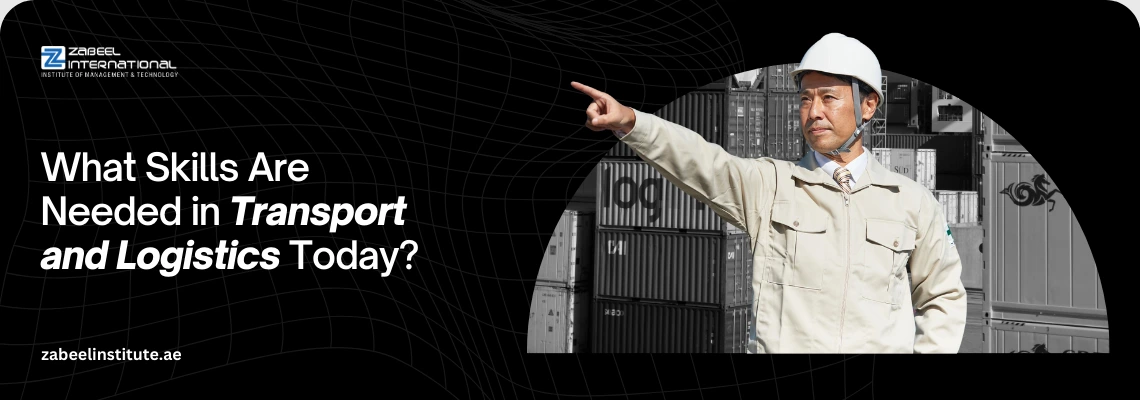
What Skills Are Needed in Transport and Logistics Today?
Most professionals in transport and logistics today are being judged on one thing: how well they can keep goods moving in an uncertain, data-driven world while controlling cost, risk, and customer expectations. The core skills now blend digital fluency, analytical thinking, operational discipline, and human leadership, so those who master this mix are the ones who get hired, promoted, and trusted to run critical supply chains.
Key Takeaways
- Digital-First Logistics – AI, automation, and real-time analytics now drive most logistics decisions, reducing waste and boosting network agility.
- Human Leadership Still Matters – Professionals who combine operational discipline with communication and resilience are leading modern supply chains.
- UAE-Specific Expertise Wins Jobs – Knowledge of free-zone policies, trade rules, and GCC routes is a top hiring advantage in Dubai and the wider region.
- Continuous Learning is Non-Negotiable – Certifications like CLSCMP Course and CSCP Course in UAE are career accelerators for 2026 professionals.
- Sustainability Meets Profitability – Green logistics strategies that cut emissions while protecting margins are now a core business mandate.
Why skills are changing fast
Geopolitics, e‑commerce growth, and sustainability rules have transformed how global Logistics and transport networks operate. At the same time, AI, automation, and real-time data mean decisions must be faster, more transparent, and evidence based.
Key shifts include:
- Volatile demand and disruptions that punish slow or manual decision making.
- Rising customer expectations for real-time visibility and reliable delivery windows.
- Pressure for greener, more efficient networks that still protect margins.
Core technical skills in transport and logistics
Modern roles in transport and logistics require more than knowing routes and rates; they require system-level thinking backed by data. Technical strengths now define who can design resilient, efficient flows from end to end.
Critical technical capabilities:
1.Network and flow design
- Understanding end-to-end Supply Chain Management and how sourcing, production, warehousing, and delivery connect
- Ability to redesign lanes, modes, and inventory positions when conditions change.
2.Systems and tools fluency
- Confident use of TMS, WMS, ERP, and planning tools, along with real-time tracking platforms.
- Comfort working alongside automation and AI engines that optimize routing, slotting, and demand forecasts.
3.Data and analytics
- Turning operational data into clear decisions on cost, service level, and risk.
- Using KPIs, dashboards, and root-cause analysis to improve on-time performance and asset utilization.
4.Regulatory and trade knowledge
- Understanding customs, trade agreements, and free-zone regimes, especially in hubs like the UAE.
- Managing documentation, compliance, and security without slowing the flow.
Human and leadership skills employers expect
Even in highly automated environments, people who coordinate, negotiate, and lead under pressure stand out. Employers in Dubai and across the region are prioritizing those who combine calm execution with strong communication.
Key human skills:
1.Communication and coordination
- Clear updates to customers, drivers, forwarders, and internal teams during disruptions.
- Ability to translate complex operations into simple, executive-ready insights.
2.Problem solving and resilience
-
-
- Rapid response to delays, shortages, or regulatory changes without blaming or freezing
- Learning from incidents and embedding preventive measures into processes.
-
3.Cross-cultural and stakeholder management
- Working across time zones, cultures, and languages while respecting local regulations.
- Building trust with partners in ports, free zones, and global corridors.
4.Leadership and team development
- Guiding frontline teams in warehouses, transport fleets, and Logistics and Supply Management roles through change.
- Coaching others to use new tools, dashboards, and automation safely and effectively.
Digital, AI, and risk-focused capabilities
Digital transformation means that operational excellence and technology are now inseparable in transport and logistics. Those who stay paper-based or tool-averse risk being bypassed in hiring and promotion.
High-impact capabilities include:
1.Digital and AI literacy
- Understanding how AI forecasting, dynamic routing, and exception alerts work in practice.
- Knowing when to trust automation and when human judgment must override the algorithm.
2.Cyber, operational, and financial risk awareness
- Recognizing vulnerabilities in systems, data handoffs, and physical operations.
- Linking risk decisions directly to service levels and working capital.
3.Continuous learning mindset
- Keeping skills current through certifications, microlearning, and AI Courses aligned with logistics applications.
- Treating each disruption as a case study to upgrade future responses.
How structured learning builds these skills in the UAE
For decision makers, the practical question is: how can teams in the UAE build this complete skill set without losing operational focus? Well-designed programs in Supply Chain Management courses and Logistics and Freight Forwarding help professionals move from task-based roles to strategic, data-driven positions.
In the UAE context, robust Corporate Training in Project Management Training and Risk Management courses can:
- Align daily decisions with regional regulations, free-zone incentives, and GCC trade routes.
- Build common language around KPIs, service levels, and scenario planning across departments.
Professionals often combine foundational Supply Chain understanding with focused programs like warehouse management course and advanced certifications such as CSCP Course in UAE to signal readiness for larger mandates. Structured learning paths, including Supply Chain Management Online, allow working professionals to upskill without stepping away from operations.
| Also Read
- How Much Does CISSP Certification Cost in 2026?
- How Do You Get a VAT Certificate in the UAE?
- What Is a Digital Forensics Course and Who Should Take It?
- Which Training Programs are Best for Long-Term Personal Growth?
Why serious learners choose Zabeel Institute
In Dubai, decision makers looking to future-proof their teams seek a Logistics training center that understands both global standards and local realities. Zabeel Institute has built its reputation by aligning Logistics and Supply Chain Management Courses in Dubai with regional hiring needs, regulatory frameworks, and the technology stack used by leading employers.
Leaders often prioritize Zabeel because:
1.Programs are outcome-driven
- Clear skill outcomes mapped to real job roles in transport and logistics, from planners to managers.
- Courses such as CLSCMP Courses are designed around global frameworks while embedding UAE-specific scenarios.
2.Integrated, cross-domain expertise
- Learners can connect supply chain studies with adjacent areas like Supply chain management courses Objective, finance, and analytics for richer decision making.
- Paths extend into domains like Corporate Training and Project Management Training to create rounded leaders, not narrow specialists.
3.Flexible formats for working professionals
- Options such as Supply Chain Management Online help mid-career learners upgrade without disrupting critical operations.
- Evening and weekend structures reflect how logistics teams actually work in the UAE market.
Training Centers in UAE: Dubai, Sharjah and Online (Global)
Zabeel Institute is a government-approved professional training institute in the UAE, offering Logistics and Supply Chain Certification in Dubai and Sharjah. With a strong legacy in executive and professional education of the institute, Logistics and Supply Chain Management Training Course in UAE is recognized for delivering structured, industry-relevant, and compliance-focused training programs designed to meet current industry standards.
Institutional Credibility & Regulatory Approval
- Established in 1988 with 37+ years of professional training experience
- Approved by KHDA and the Ministry of Education (MOE), UAE
- Officially listed in the KHDA Training Institute Directory
- Certificates are eligible for MOE attestation
- Institutional approvals and licensing are publicly verifiable through UAE education authorities
Learnings and Recommendations
- Structured coverage of Digital Marketing fundamentals and applied Copywriting techniques
- Curriculum aligned with current digital platforms, content formats, and ethical marketing practices
- Customized learning pathways based on the learner’s background and experience
- Ongoing academic support, guided practice, and exam preparation tips from certified instructors
- Training delivered by certified instructors with real-world digital marketing and content experience
Get in touch to know more about course fees, certification structure, eligibility, schedules, and learning modes, learners may contact Zabeel Institute through official channels:
- Phone: 600 52 4448 | +971 4 397 4905
- WhatsApp: +971544459650
- Email: mail@zabeelinstitute.ae
- Website: www.zabeelinstitute.ae
- Official Social Media: Facebook, LinkedIn, Instagram, YouTube, Twitter, TikTok
Conclusion
Today’s transport and logistics professionals need a balanced portfolio: technical mastery of networks and systems, strong human and leadership skills, and deep digital and risk awareness. In hubs like Dubai, those who intentionally develop this mix through structured learning in Logistics and Supply Management, Logistics and Freight Forwarding, and advanced certifications such as CLSCMP Courses and CSCP Course in UAE are the ones who progress fastest and become trusted decision makers.
If you are looking to Enroll in Logistics and Transport Courses in UAE and land in perfect job or If you want to know more about Online Supply Chain Management Course, Training, Certification and Fees,
FAQs
What are the most in-demand logistics skills in Dubai for 2026?
The top skills include digital fluency (AI & TMS/WMS tools), data-driven decision-making, risk management, and cross-cultural leadership. Employers in Dubai prioritize professionals who can blend automation insights with human judgment and compliance expertise.
How is AI transforming transport and logistics roles?
AI boosts forecasting accuracy, optimizes routing, and automates repetitive planning. However, success still depends on human oversight, professionals must know when to override AI recommendations to maintain service reliability.
Why are structured learning programs crucial in the UAE logistics sector?
Structured programs like Zabeel Institute’s Supply Chain Management Courses in Dubai align training with UAE regulations, free-zone trade, and global SCM standards. They help professionals transition from operational tasks to strategic leadership.
What certifications help logistics professionals get promoted fastest in 2026?
Top-recognized qualifications include:
- CLSCMP Course (Certified Logistics and Supply Chain Management Professional)
- CSCP Course in UAE (Certified Supply Chain Professional)
- Risk Management and Project Management Training for operational leaders.
How can logistics teams balance sustainability with profitability?
By adopting data-backed network optimization, using green freight corridors, and adopting AI-driven energy efficiency models. Companies that invest here see both carbon reduction and cost improvement.
What tools are essential for modern transport professionals?
Key systems include TMS (Transportation Management System), WMS (Warehouse Management System), ERP integrations, and real-time IoT tracking dashboards, tools that enable live monitoring, KPI tracking, and predictive analysis.
Why choose Zabeel Institute for transport and logistics training in 2026?
Zabeel Institute stands out for UAE-specific course design, flexible formats for working professionals, and curricula built around the latest AI, digital, and sustainability skills, ensuring every graduate is job-ready and promotion-ready.












Recent Comments