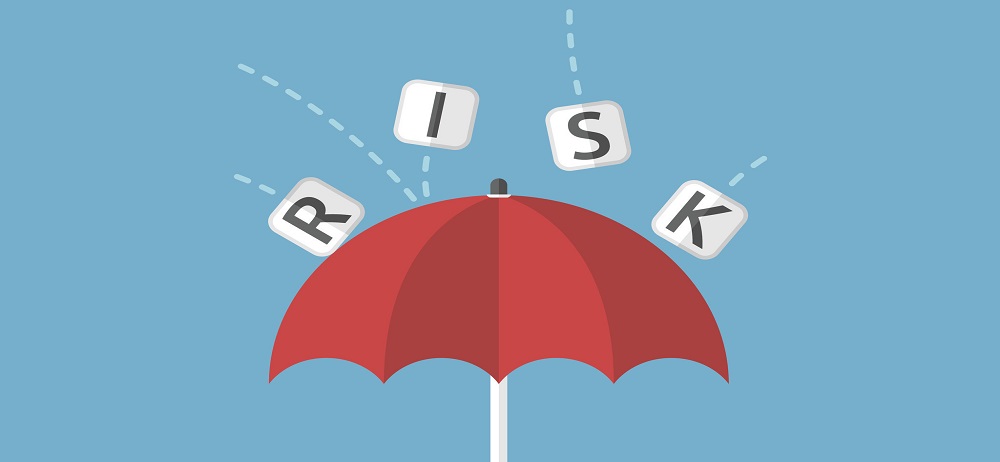
The (Project Management Institute’s) PMI Risk Management Professional targets one's Risk Management Professional Certification. PMI’s RMP credential recognizes a Risk Manager’s expertise in identifying project risks and mitigating threats while maximizing available opportunities. Globally recognized and demanded, the PMI RMP fills the need for a specialist role in project risk management. It recognizes your unique expertise and competency in assessing and identifying project risks, mitigating threats, and capitalizing on opportunities while still possessing a baseline knowledge and practical application in all areas of project management.
Learning Outcome of PMI RMP Certification Training Course
Understand the principles and concepts of Project Risks and Project Risk Management Processes.
Understand the underpinnings of Plan Risk Management Processes
Identify Risks.
Perform Qualitative & Quantitative Risk Analysis.
Plan Risk Responses, Risk Response Strategies.
Monitor and Control Risks.
Pass the (PMI-RMP) ®
Who needs the PMI RMP Certification Training?
The PMI-RMP Certification Training demonstrates skill and competence in the specialized area of project risk management. Suppose you want to fill your project team's risk management specialist role, hone your basic project management skills, and showcase your specialized expertise to employers. In that case, the PMI-RMP credential is for you.
Requirements for RMP Certification Training
To apply for the PMI-RMP Certification, you need to have either:
A four-year degree (bachelor’s or the global equivalent), with at least 3,000 hours of project risk management experience and 30 hours of education.
OR
A secondary diploma (high school or the global equivalent) with at least 4,500 hours of project risk management experience and 40 hours of education.
Introduction to PMI RMP Certification Training and Project Risk Management
Overview and Risk Management Fundamentals as per PMBOK5
Plan Risk Management
Risk Management Plan Contents
Create a Risk Management Plan
Communication and Leadership
Building a Communication Foundation
General Management and Leadership Skills
Stakeholder Management
Identify Risks
Tools and Techniques for Identifying Risks
Contents of The Risk Register
Risk Register’s Update Cycle
RMP Certification Training
Risk Analysis
Perform Qualitative Risk Analysis
Perform Quantitative Risk Analysis
Risk Analysis Outputs
Plan Risk Responses
Planning
Risk Response Strategies
Planning Outputs
Risk Monitoring and Control
RMP Certification Training
RMP Certification Training will not only help you master the processes of risk management but also address the uncertainty in Projects
RMP Certification Training Course Materials:
The Practice Standard of Project Risk Management conforms with the PMBOK 4th edition-PMI.
Vast Resource of reference materials
PMI-RMP Lab at any time for Practice/Simulation tests.
To support the lectures, the faculty would be using PowerPoint Slides or projectors and /or lecture notes as the course goes on. The student would receive lecture notes as handouts or books appropriate to the lecture. Recommended reference books or websites will be suggested to the students for further reading if the student needs a deeper understanding of the topics covered in the class.
To know about Professional Management Institute (PMI)PMI Risk Management Professional (PMI-RMP) RMP Certification Training: Click here.